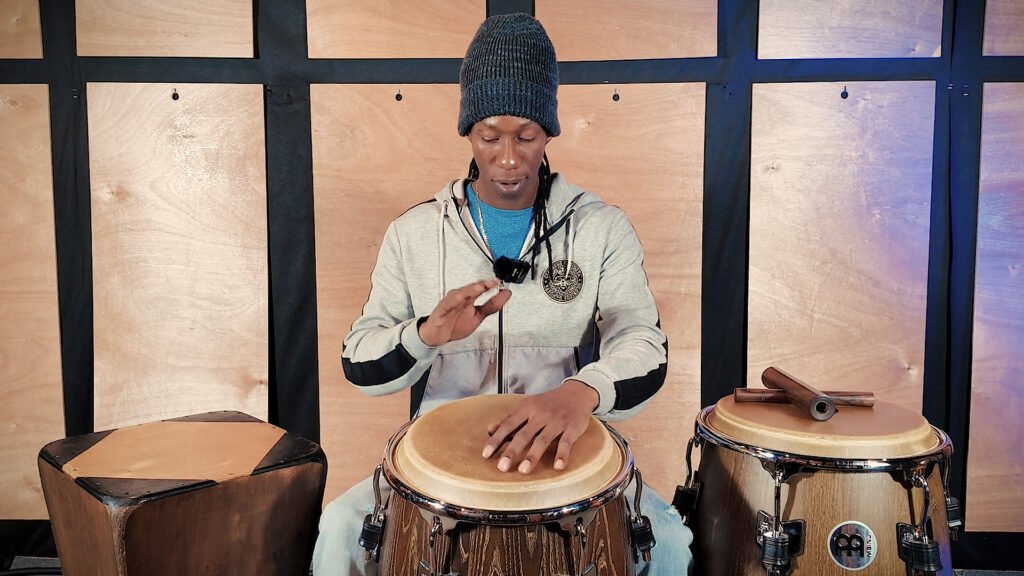
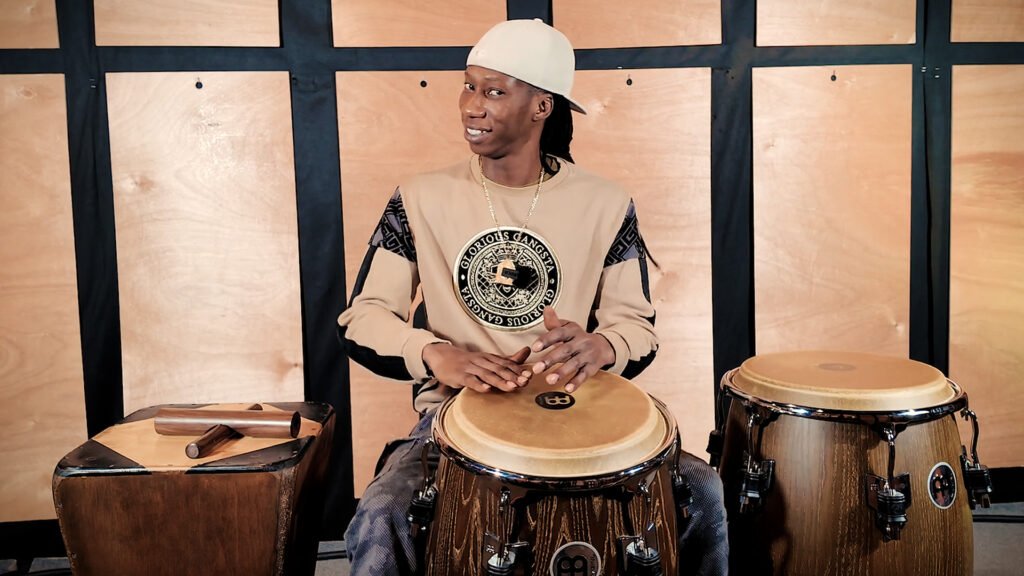
Basic
Clave — Rhythmic Foundation of Cuban Rumba
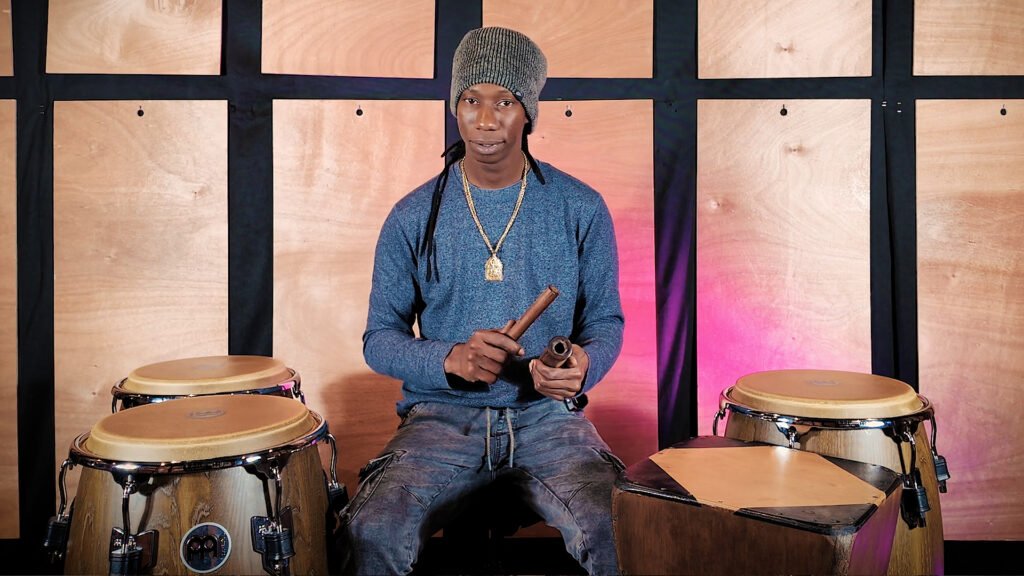
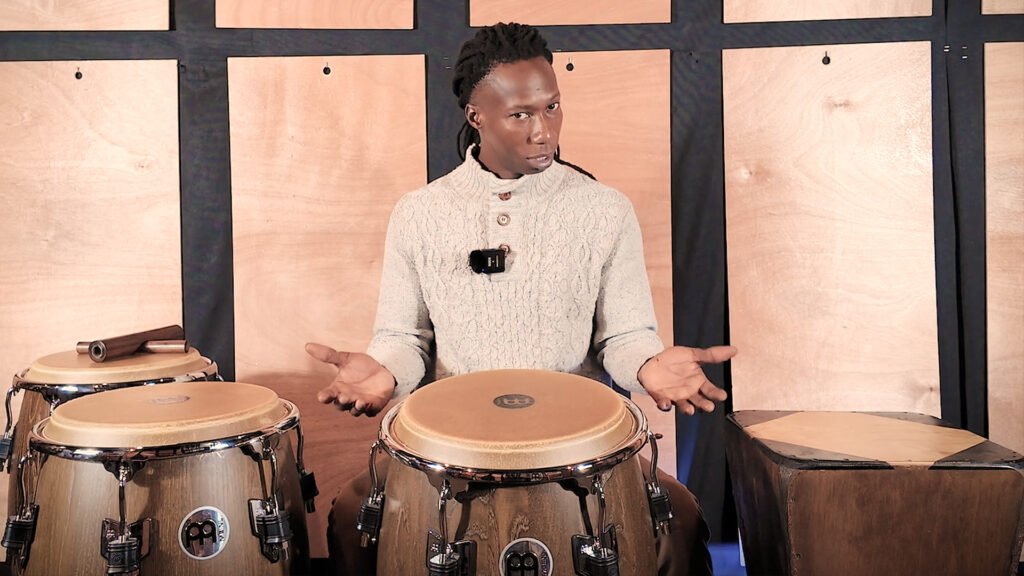
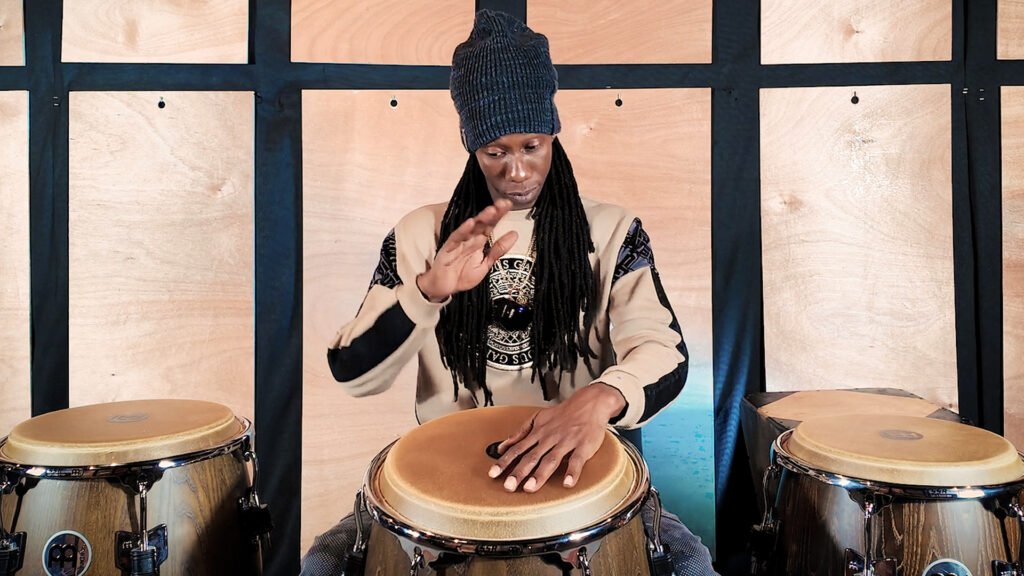
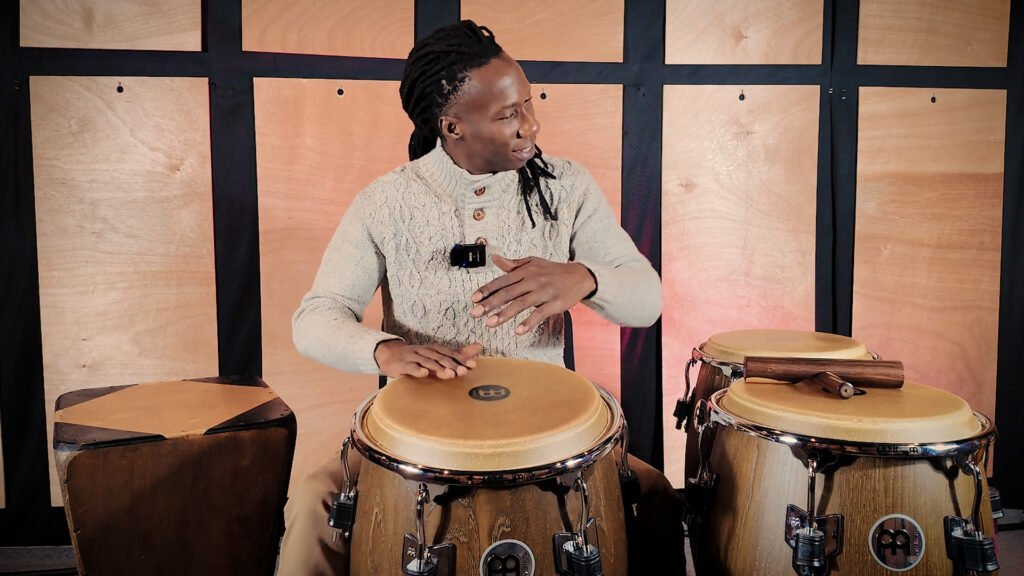
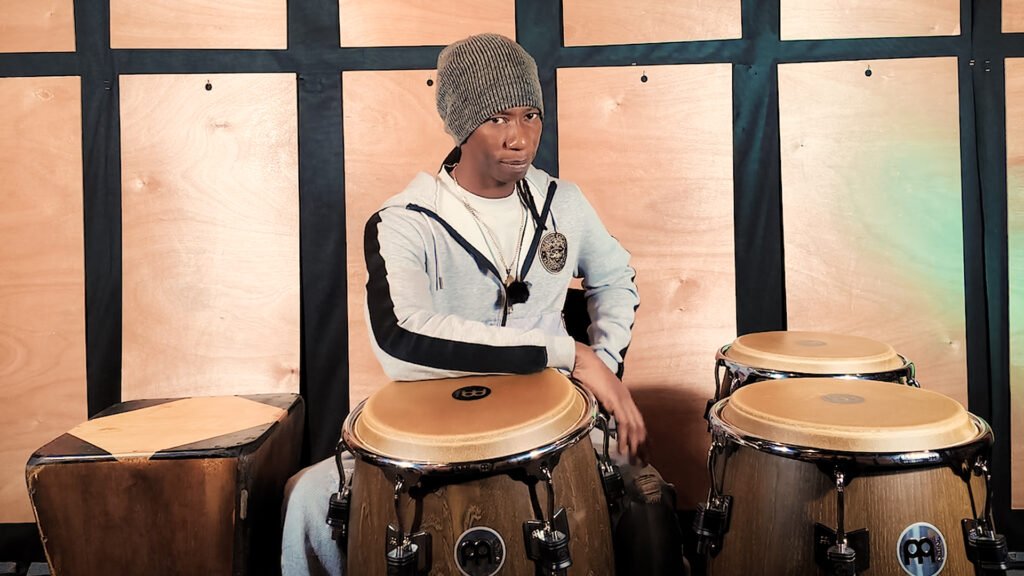
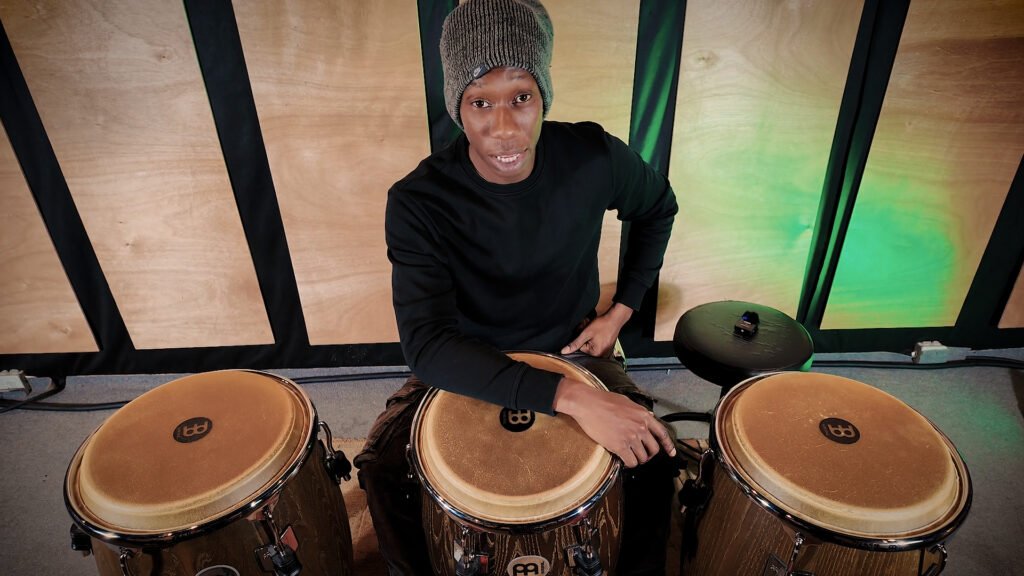
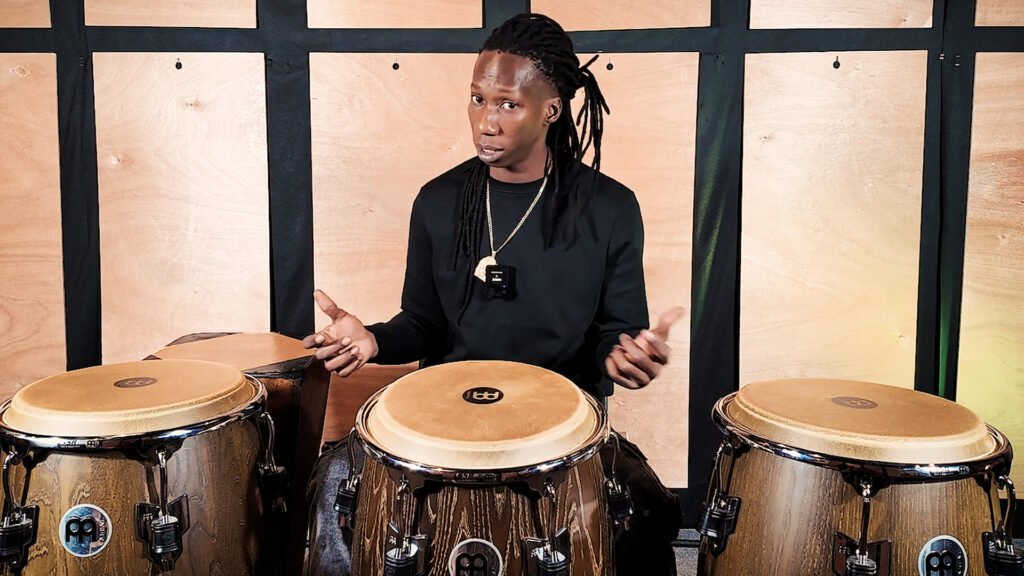
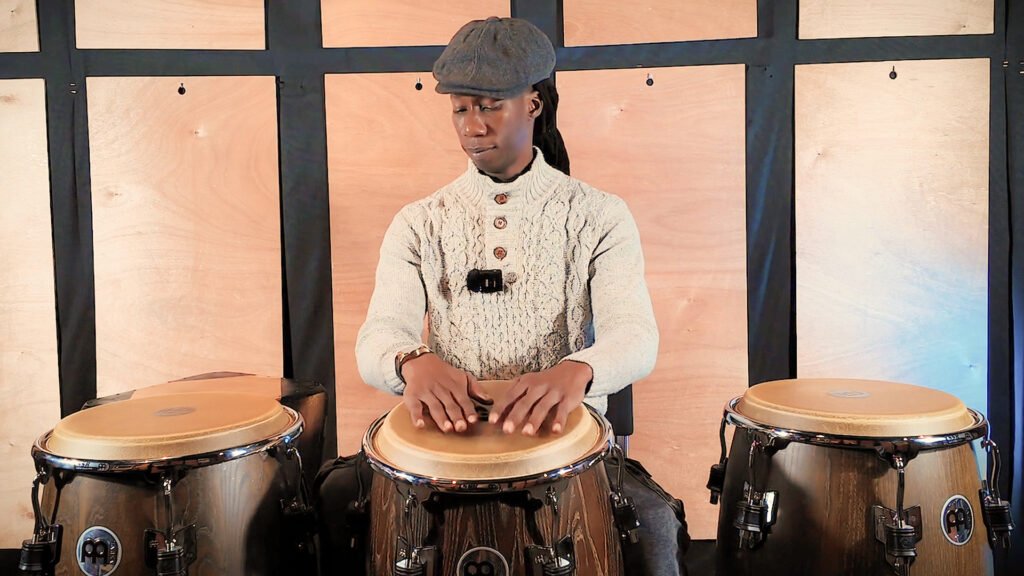
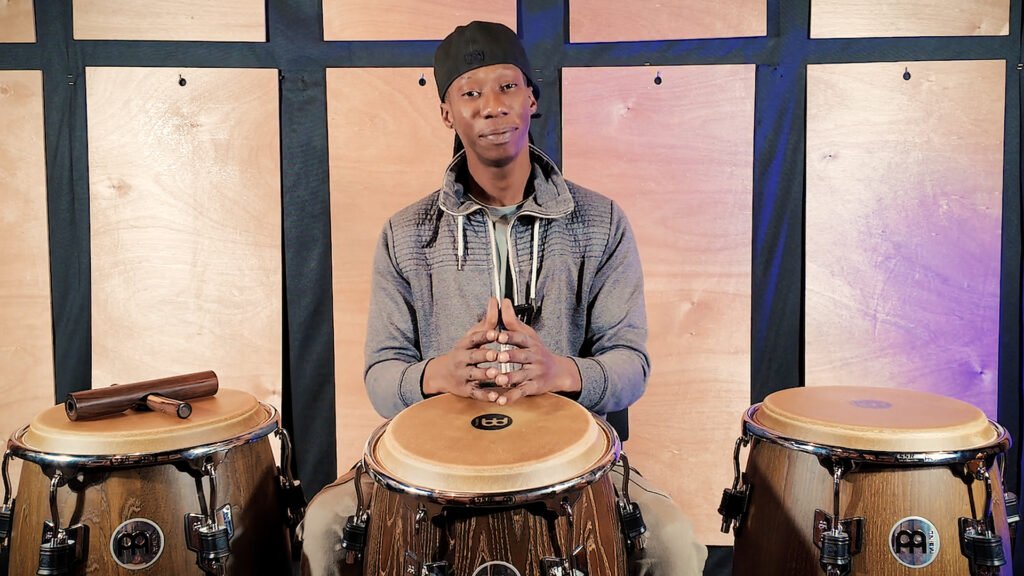
This course is your passport to the essence of Cuban rumba. Here you will not only learn how to play, but how to feel the music from its roots. Get ready to discover together with Machito the history, flavor, and codes that make the clave the heart of everything.
Basic
The Catá — The Rhythmic Backbone of Rumba
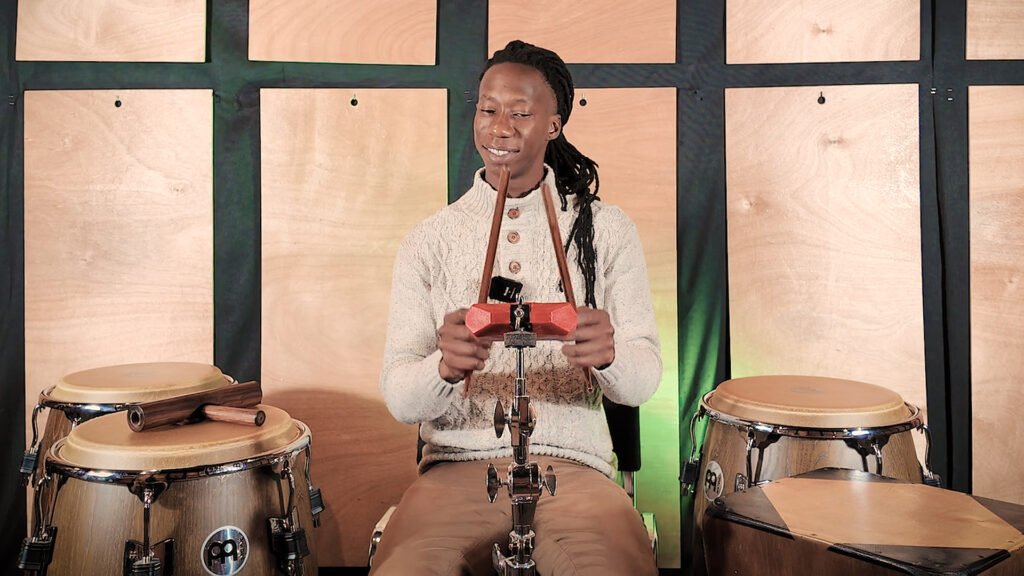
This course dives deep into the catá as a fundamental element of Cuban rumba. You’ll learn its origins, its relationship to the clave, and how to hold time and groove with clarity, control, and musicality in Guaguancó, Yambú, and Columbia.
Basic
The Tumbador — The Deep Pulse of Rumba
This course traces the evolution of the tumbador from its roots to its modern role in Guaguancó and Yambú. With Machito you’ll learn bases 1–4, their connection to the clave, and the cadence of Yambú, focusing on supporting the ensemble with good sound and cohesive groove.
Intermediate
The Tumbador in Evolution — Fourth Base, Variations & Columbia
This course delves into the fourth base of the tumbador as a key element of Cuban rumba. From traditional Guaguancó, Machito guides conscious variations, its relationship with the clave, respect for the singing, the dialogue with the tres‑dos, and the tumbador’s function in Columbia. The focus: maintain the base, vary with meaning, and accompany the ensemble.
Intermediate
The Tumbador in Columbia — Roots, Groove & Evolution
This course introduces you to the language of the tumbador in Columbia, starting from its traditional base (rural influences, Bantú/Bembé six-eight ternary pulse, cajón maleta) and moving toward variations and more open grooves without losing the codes of rumba. Machito guides you from the root toward evolution, with emphasis on clave, low tones, muted tones, mazacote, and respect for the
Intermediate
Tumbador in Yambú — Tradition, Variation & Flavor
This course takes you into the essence of the tumbador in Yambú, exploring the traditional march, the use of the double low tone, and the flow of time through 4- and 8-beat cycles. With Marchito, you’ll learn when to introduce variations based on the lalaleo, the lead singer, and the chorus—and how a variation can become part of the base.
Basic
The Tres-Dos — Internal Harmony & Response in Rumba
This course invites you to explore the essence of the 3-2 pattern inside Cuban rumba. With Machito you’ll discover how it was born, how it evolved into its modern form, and how to build a solid march before adding variations, combinations and bass tones, always respecting the interaction with tumbador and quinto. Get ready to feel and play the 3-2
Intermediate
The Tres-Dos in Yambú — From the Neighborhood to Evolution
In this course, Machito guides you through the evolution of the tres-dos in Yambú, exploring how it integrates into the traditional cadence, how to balance its strength with the tumbador, and how its character changes in Matanzas and Havana. You will learn to play cleanly, with intention, and respecting the rhythmic space of the genre.
Intermediate
The Tres-Dos of Columbia — Foundation, Dialogue & Evolution
The 3-2 is the voice that organizes Columbia from its foundation. In this course, Machito guides you from the traditional pulse — abiertos, tiempo and masacote — toward a more modern style of playing with aperturas, picados, hand changes and turns toward montuno. The objective is to understand how the 3-2 supports the 6/8, create space without losing stability, and
Intermediate
The Quinto of Guaguancó — Base & Evolution
This course explores the quinto of Guaguancó from its traditional root, understanding the tambor as a language with structure and codes. Machito guides the process from the original base toward a conscious evolution, teaching how to create space, remove strokes, and dialogue with the canto without losing the cliché. The focus is on clarity, respect for the codes, and on
Intermediate
The Quinto of Yambu — Tradition, Cadence & Evolution
This course explores how the quinto functions within Yambú, one of the most cadential and delicate expressions of Cuban rumba. Machito proposes a path that starts from tradition — quinto, tumbador, canto, space and silence — and moves toward a natural evolution, incorporating the 3-2 and other contemporary resources without breaking the fundamental codes.
Intermediate
The Quinto of Columbia — Root, Codes & Evolution
This course introduces you to the language of the quinto in Columbia: its traditional ‘de solar’ base, the relationship with the canto and the llorado, the influence of the 6/8 feeling, and its role as a solo drum that floats over the tumbador and the tres-dos. Starting from the root, Machito guides you toward more evolved techniques: use of both