The Quinto of Guaguancó — Base & Evolution

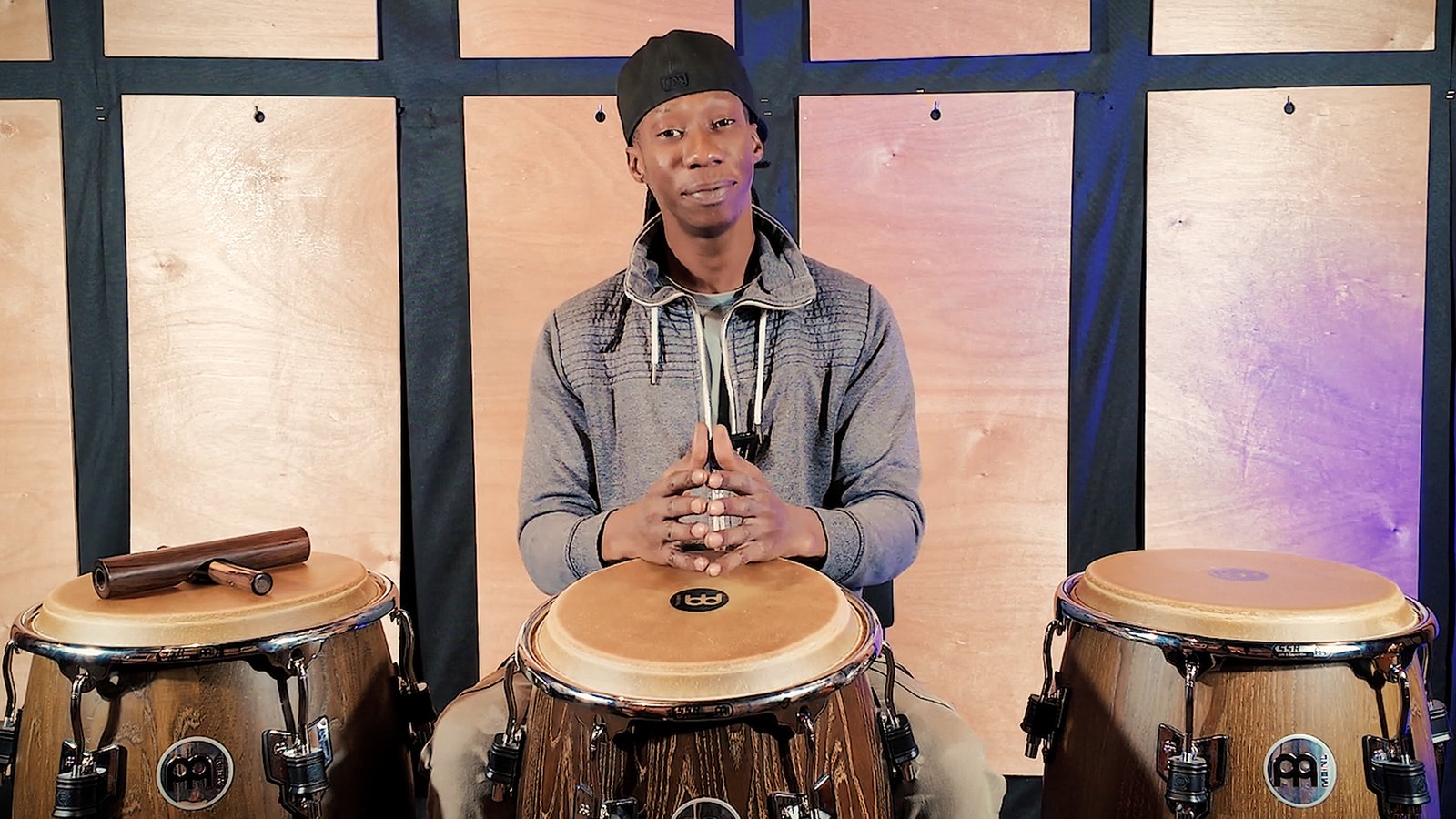
This course explores the quinto of Guaguancó from its traditional root, understanding the tambor as a language with structure and codes. Machito guides the process from the original base toward a conscious evolution, teaching how to create space, remove strokes, and dialogue with the canto without losing the cliché. The focus is on clarity, respect for the codes, and on making the tambor tell a story.

What does the course cover?

  • The traditional root of the Guaguancó quinto and its Afro‑Cuban influence.
  • The concept of the quinto as a language, not as an accumulation of strokes.
  • Use of the 8‑beat cycle, base, and cliché.
  • Removing strokes to create space and narrative.
  • The relationship between the quinto, the canto, and rumba codes.
  • Evolution of the language without losing tradition.

Main ideas of the course

  1. The quinto tells a story.
  2. Fewer strokes create more clarity and space.
  3. The root is both beginning and return.
  4. The quinto floats between canto and groove without overpowering.
  5. Evolution only works when it respects the codes.

In this course, you will explore how to:

  • Understand the traditional concept of the Guaguancó quinto.
  • Build a clear and stable base for improvisation.
  • Use space and silence as musical resources.
  • Remove and reorganize strokes without losing the cycle.
  • Dialogue with the canto with intention and respect.
  • Integrate tradition and contemporary language with coherence.

Key terms listed in the order they appear in the episodes.

  • Quinto: Solo drum of the rumba that improvises within specific codes.
  • Guaguancó: Style of rumba with canto, coro, dance, and rhythmic dialogue.
  • Bonkó en Chemillá: Solo drum of the Abakuá ritual that influenced the quinto.
  • Carabalí / Abkuá: Afro‑Cuban tradition of African origin.
  • Concepto: A way of playing with meaning, root, and clarity, not just technique.
  • Síncopa: Natural rhythmic displacement away from the direct pulse.
  • Códigos: Unwritten rules that organize musical interaction in rumba.
  • 8‑Beat Cycle: Rhythmic structure where the quinto organizes its discourse.
  • Cliché: Base pattern that serves as a point of departure and return.
  • Puntos de Apoyo: Key strokes that support the rhythmic structure.
  • Cadencia: Natural flow of time and rhythmic movement.
  • Flotar: To improvise without excessively marking the pulse or duplicating patterns.
  • Quitar Golpes: Reduce density to create space and clarity.
  • Variante: Small modification of the base pattern.
  • Narrativa: The rhythmic story told by the quinto.
  • Canto: Vocal line that organizes the spaces for the quinto.
  • Fraseo: The way strokes are articulated as discourse.
  • Regreso al Cliché: Returning to the base pattern to close an idea.
  • Fantasma (Ghost Note): Soft stroke used to create flow and flavor.
  • Flow: Natural, organic rhythmic feeling.
  • Yufa / Bomba: Cuban expressions that describe energy and rumbero flavor.
  • Raíz: Traditional foundation of the toque.

Starter:

1 course pass/mo.

9

/month

+ tax as applicable

Pro:

3 course passes/mo.

19

/month

+ tax as applicable

Master:

12 course passes/mo.

59

/month

+ tax as applicable

Elite Promo:

12 course passes/yr.

299

/year

+ tax as applicable

Course details
Duration 70 min
Episodes 7
Level Intermediate

Explore more courses

Welcome

Register form