Web Coding and Apache Basics theory

Are you looking to learn a new language? Learning a new language helps expand your skill set as a developer and make you more marketable to employers. If you aren't learning a new language because it's not the one you use at work, I think you're missing out on the benefits. I often find that seeing how other languages solve problems makes me a better developer with the languages I use on a day to day basis. I am here to tell you all about an awesome dynamic language called Apache Groovy

What does the course cover?

  • History and roots of rumba: African and Spanish influences.
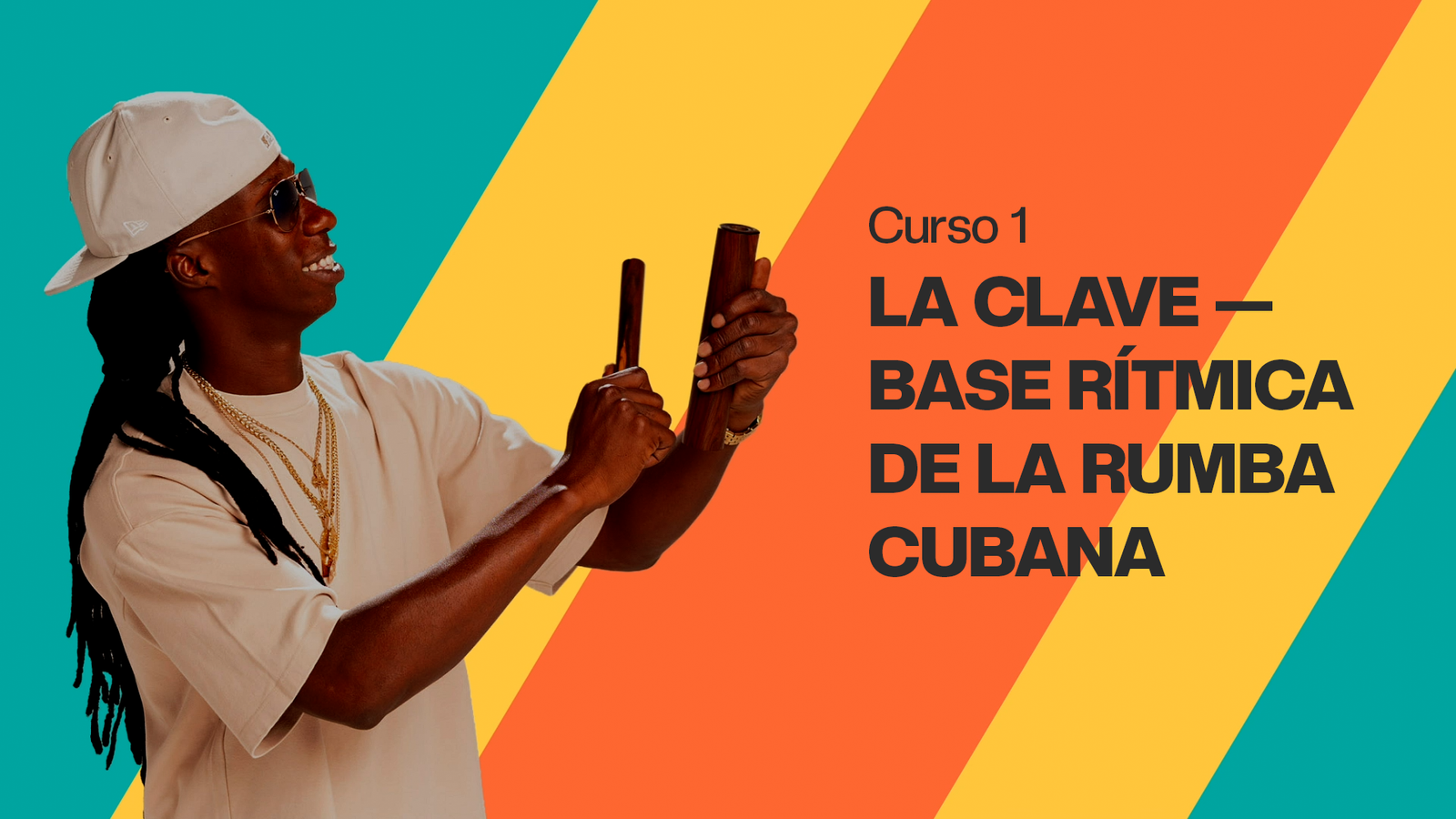
  • The clave as the rhythmic foundation and its role in each genre.
  • The styles within rumba: Guaguancó, Yambú, Columbia, and Jiribilla.
  • Techniques for playing the clave in different patterns (3–2, 6/8, Palo, Bembé, Güiro).
  • How to connect percussion, singing, and melody to create magic.
  • Practical exercises to master the groove and the correct position.

Main ideas of the course

  1. The clave is the heart of rumba: without it, there is no unity and no groove.
  2. Rumba is culture and community: more than music, it is shared energy.
  3. Each rhythm has its personality: from the soft Yambú to the fire of Columbia.
  4. Listening is as important as playing: the clave dialogues with the melody.
  5. Tradition and evolution go hand in hand: know the origin to create freely.

In this online course, you will explore how to:

  • Interpret Cuban rumba with authenticity and sabor.
  • Differentiate claves depending on the genre and context.
  • Play relaxed, with cadence, and without losing the tempo.
  • Listen and feel the connection between rhythm and singing.
  • Give your own flow without losing the traditional essence.

Key terms listed in the order they appear in the episodes.

  • CLAVE: Fundamental rhythmic pattern in Afro-Cuban music that marks the time structure.
  • ABAKUÁ: Afro-Cuban religion that influenced the creation of rumba.
  • CONGERIMA: Traditional name for the clave within the Abakuá religion.
  • GUAGUANCÓ: One of the main styles of Cuban rumba, with a lively and cadenced rhythm.
  • PULSE: The base time or reference in music.
  • YAMBÚ: The slowest and softest rumba style, associated with elegance and sweetness.
  • CLAVE DE SON: Rhythmic pattern used in the Son genre.
  • GROOVE: Rhythmic feel that gives flow and sabor to the music.
  • BAQUETA: Stick used to play percussion instruments.
  • PATTERN: Repetitive sequence of hits or sounds in music.
  • COLUMBIA: Fast and energetic style of Cuban rumba.
  • BEMBÉ: Afro-Cuban rhythm with religious roots.
  • PALO: Afro-Cuban musical and religious genre, also a rhythmic pattern.
  • CARABALÍ / BANTU / YORUBA LANGUAGES: African languages that influence chants and rhythms.
  • 6/8: Musical meter of six beats, used in Columbia.
  • JIRIBILLA: Fast and explosive variation within Columbia.
  • HUATACA: Agricultural tool used as a bell in traditional rhythms.
  • CLAVE DE GÜIRO: Specific rhythmic pattern that begins after the ‘one’ beat.
  • ACCENT: Hit played with more force within a rhythmic pattern.
  • 3-2 / 2-3 CLAVE: The way of counting the hits in the clave depending on their distribution.
  • MONTUNO: Final and more accelerated part of an Afro-Cuban piece.
  • TUMBADORAS: Percussion instruments (congas) used in rumba.
  • CAJÓN: Wooden box used as a percussion instrument in traditional rumba.