Make your Concept Right and Beautiful

With no prior experience, you will have the opportunity to walk through hands-on examples with Hadoop and Spark frameworks, two of the most common in the industry. You will be comfortable explaining the specific components and basic processes of the Hadoop architecture, software stack, and execution environment. In the assignments you will be guided in how data scientists apply the important concepts and techniques such as Map-Reduce that are used to solve fundamental problems in big data. You'll feel empowered to have conversations about big data and the data analysis process.

What does the course cover?

  • History and roots of rumba: African and Spanish influences.
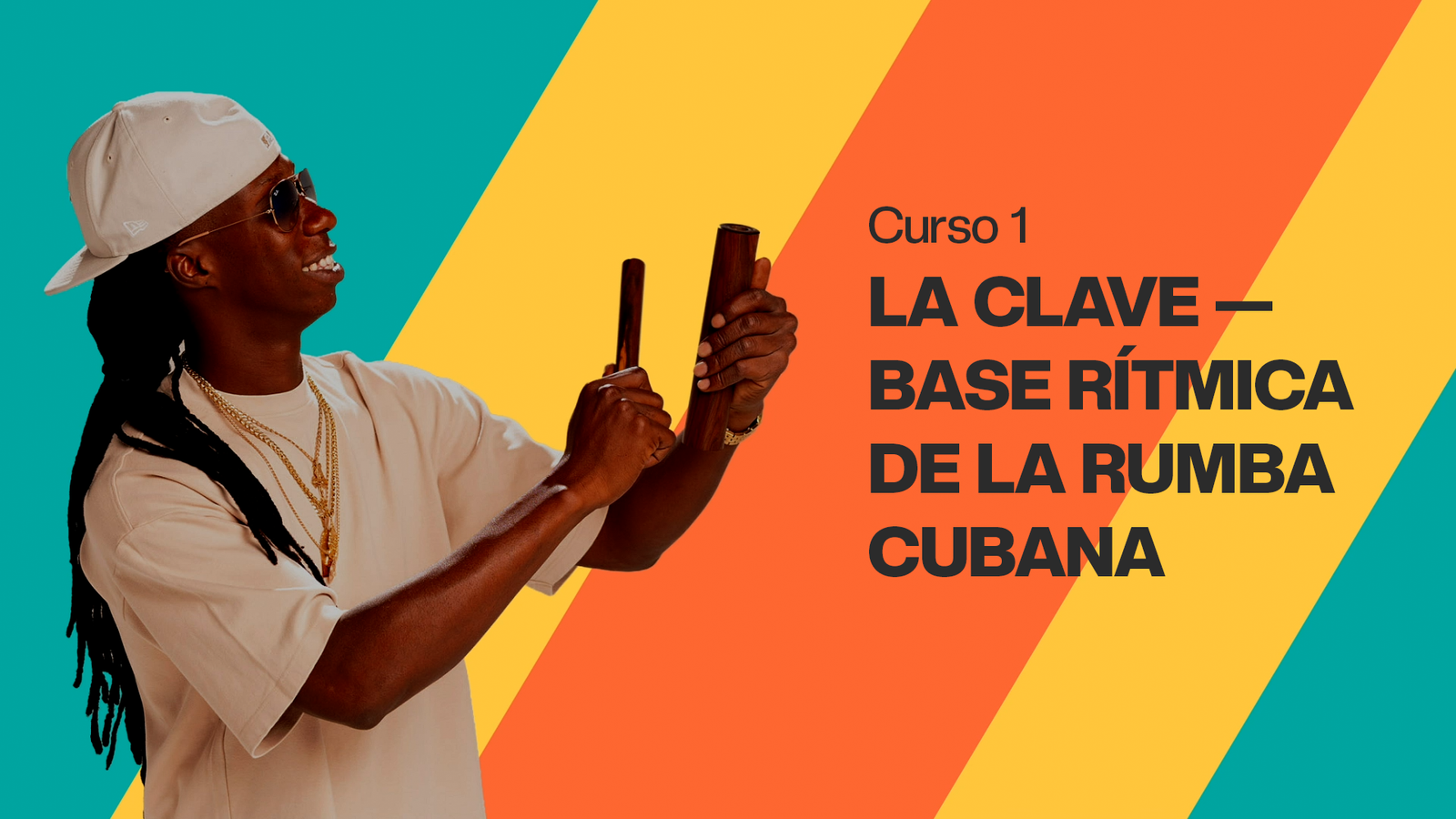
  • The clave as the rhythmic foundation and its role in each genre.
  • The styles within rumba: Guaguancó, Yambú, Columbia, and Jiribilla.
  • Techniques for playing the clave in different patterns (3–2, 6/8, Palo, Bembé, Güiro).
  • How to connect percussion, singing, and melody to create magic.
  • Practical exercises to master the groove and the correct position.

Main ideas of the course

  1. The clave is the heart of rumba: without it, there is no unity and no groove.
  2. Rumba is culture and community: more than music, it is shared energy.
  3. Each rhythm has its personality: from the soft Yambú to the fire of Columbia.
  4. Listening is as important as playing: the clave dialogues with the melody.
  5. Tradition and evolution go hand in hand: know the origin to create freely.

In this online course, you will explore how to:

  • Interpret Cuban rumba with authenticity and sabor.
  • Differentiate claves depending on the genre and context.
  • Play relaxed, with cadence, and without losing the tempo.
  • Listen and feel the connection between rhythm and singing.
  • Give your own flow without losing the traditional essence.

Key terms listed in the order they appear in the episodes.

  • CLAVE: Fundamental rhythmic pattern in Afro-Cuban music that marks the time structure.
  • ABAKUÁ: Afro-Cuban religion that influenced the creation of rumba.
  • CONGERIMA: Traditional name for the clave within the Abakuá religion.
  • GUAGUANCÓ: One of the main styles of Cuban rumba, with a lively and cadenced rhythm.
  • PULSE: The base time or reference in music.
  • YAMBÚ: The slowest and softest rumba style, associated with elegance and sweetness.
  • CLAVE DE SON: Rhythmic pattern used in the Son genre.
  • GROOVE: Rhythmic feel that gives flow and sabor to the music.
  • BAQUETA: Stick used to play percussion instruments.
  • PATTERN: Repetitive sequence of hits or sounds in music.
  • COLUMBIA: Fast and energetic style of Cuban rumba.
  • BEMBÉ: Afro-Cuban rhythm with religious roots.
  • PALO: Afro-Cuban musical and religious genre, also a rhythmic pattern.
  • CARABALÍ / BANTU / YORUBA LANGUAGES: African languages that influence chants and rhythms.
  • 6/8: Musical meter of six beats, used in Columbia.
  • JIRIBILLA: Fast and explosive variation within Columbia.
  • HUATACA: Agricultural tool used as a bell in traditional rhythms.
  • CLAVE DE GÜIRO: Specific rhythmic pattern that begins after the ‘one’ beat.
  • ACCENT: Hit played with more force within a rhythmic pattern.
  • 3-2 / 2-3 CLAVE: The way of counting the hits in the clave depending on their distribution.
  • MONTUNO: Final and more accelerated part of an Afro-Cuban piece.
  • TUMBADORAS: Percussion instruments (congas) used in rumba.
  • CAJÓN: Wooden box used as a percussion instrument in traditional rumba.