The Tumbador in Evolution — Fourth Base, Variations & Columbia

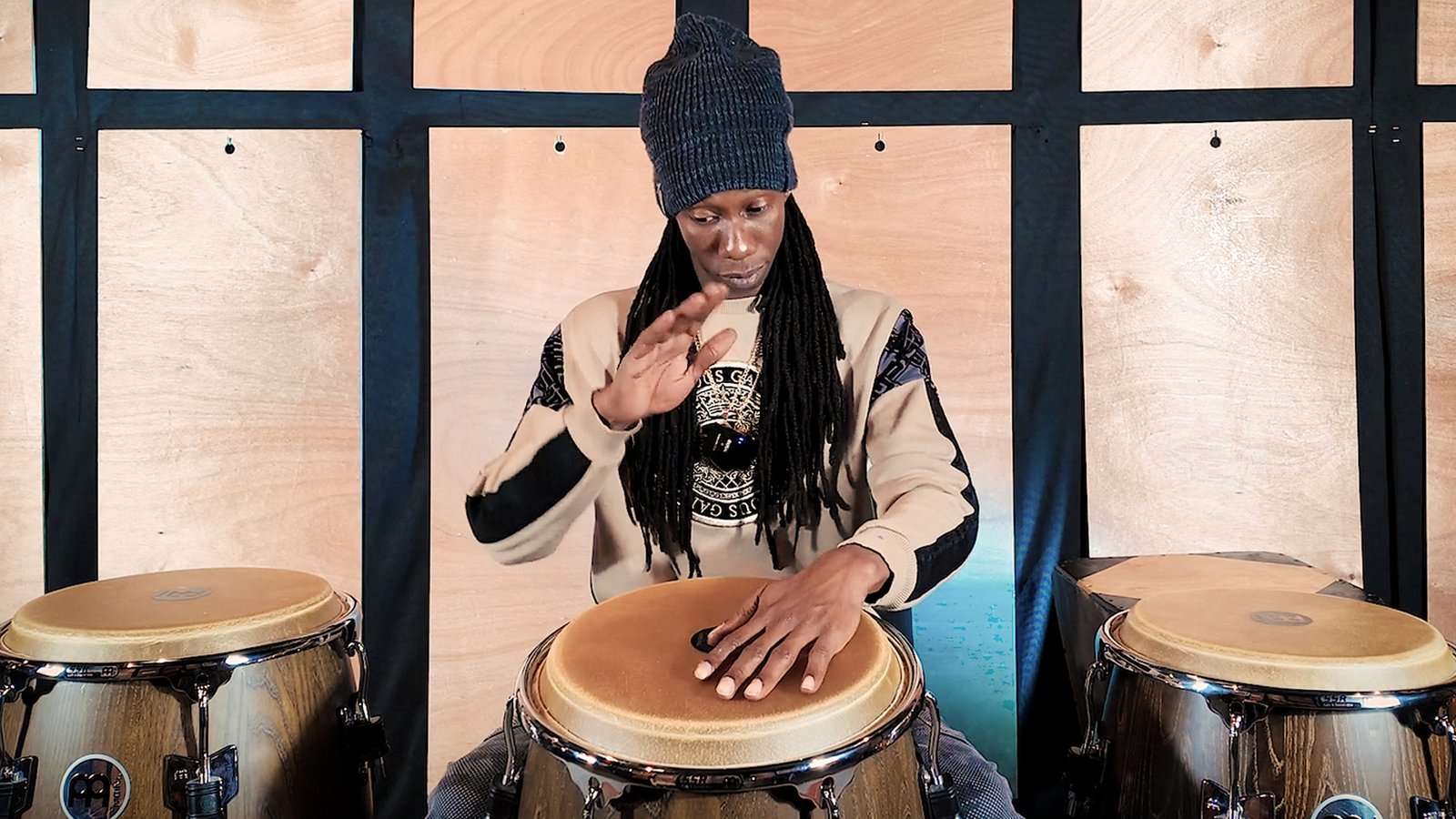
This course delves into the fourth base of the tumbador as a key element of Cuban rumba. From traditional Guaguancó, Machito guides conscious variations, its relationship with the clave, respect for the singing, the dialogue with the tres‑dos, and the tumbador’s function in Columbia. The focus: maintain the base, vary with meaning, and accompany the ensemble.

What does the course cover?

  • The fourth base of the tumbador as a natural evolution of traditional bases.
  • Relationship of the fourth base with the first and the  second clave.
  • Rhythmic codes to stay in time.
  • How and when to make variations without interfering with the singing.
  • Musical use of pressed tones, muted tones, and fantasmas.
  • Function of the tumbador in traditional and modern Columbia.
  • Exercises to fix the base, variations, and Columbia.

Main ideas of the course

  1. The tumbador is the bass of the rumba: it supports before decorating.
  2. A variation has a beginning and an end; it doesn’t finish until returning to the tone.
  3. The clave and the singing lead: varying is dialoguing, not competing.
  4. The left hand is the engine of time and groove.
  5. To evolve is to add sabor without losing the base.

In this course, you will explore how to:

  • Interpret the fourth base of Guaguancó with stability and clear groove.
  • Recognize the correct moments to vary without breaking the base.
  • Enter and exit a variation always returning to the tone.
  • Use the left hand (1 and 3) as the anchor of time.
  • Apply presionados and “fantasmas” with control and musicality.
  • Accompany the Columbia from the tumbador while respecting its root and energy.

Key terms listed in the order they appear in the episodes.

  • Fourth Base: Evolved tumbador pattern that integrates muted tone after the three.

  • Clave Two: Form of clave where the first two hits align with the tumbador’s low tones.

  • Code: Rhythmic relationship that keeps the musician in time.

  • Variation: Rhythmic phrase that must return to the base with the tone.

  • Pressed Tone (Presionado/Ahogado): Controlled strike that reduces the drumhead resonance.

  • Ghost Note (Fantasma): A soft strike that fills the pulse without standing out.
  • Groove Metric: Internal organization of time while varying.

  • Question & Answer: Rhythmic dialogue between tumbador and tres-dos.

  • Columbia: Fast, energetic rumba playing with Bantú roots.

  • Six-Eight: Ternary pulse associated with traditional Columbia.
  • Cadence: Sense of balance and continuity in the rhythm; on the tumbador achieved with patience and control of time.

Starter:

1 course pass/mo.

9

/month

+ tax as applicable

Pro:

3 course passes/mo.

19

/month

+ tax as applicable

Master:

12 course passes/mo.

59

/month

+ tax as applicable

Elite Promo:

12 course passes/yr.

299

/year

+ tax as applicable

Course details
Duration 60 min
Episodes 5
Level Intermediate

Explore more courses

Welcome

Register form